01
Multispectral capture
Imaging is performed with a dedicated LED light source across 10 different wavelengths from 360 nm to 1000 nm, with matching filters.
Multispectral imaging of artworks
Beyond the conventional red, green and blue (RGB) spectrum of colours our eyes can see lies a world of hidden information within artworks. Multispectral imaging techniques let us visualise this invisible world and uncover valuable information.
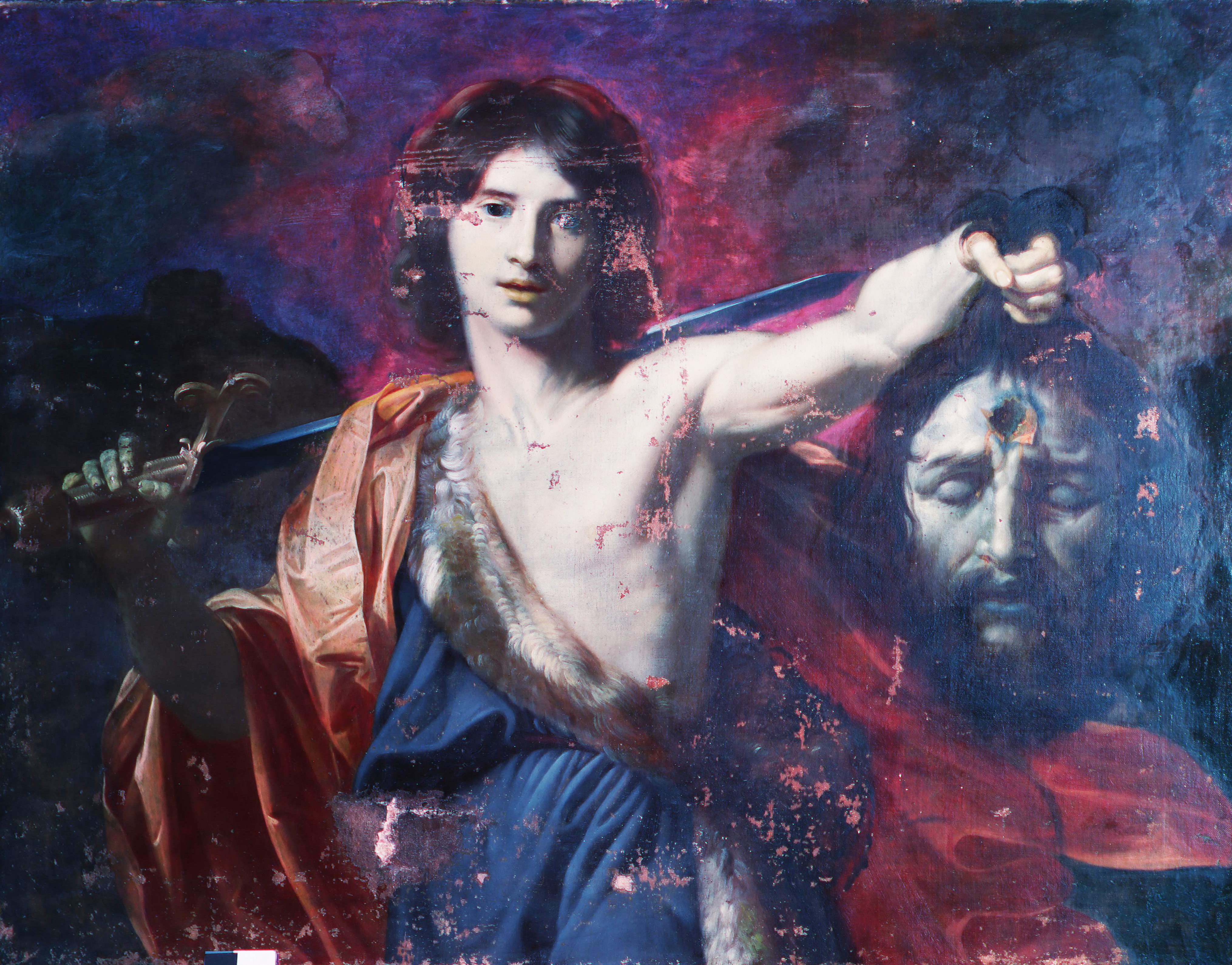
We develop and apply multispectral imaging techniques for cultural heritage. Analysing artworks with these techniques relies on the unique interaction of materials with electromagnetic radiation at different wavelengths, which gives insight into the structure and type of materials and into how the work was made — in a fully non-destructive way. No contact, no sampling, no risk.

What we do
The human eye sees only a narrow slice of the spectrum. Pigments, varnish, glue and canvas each respond differently to radiation of a given wavelength — some turn transparent, others fluoresce, others darken. By imaging systematically across the full range, we build a record that speaks to a work’s making, the pigments used, its condition and authenticity.
Services
Each method uncovers a different layer of the story. We combine them into a single report on the work.
Imaging is performed with a dedicated LED light source across 10 different wavelengths from 360 nm to 1000 nm, with matching filters.
Reflection images are captured under white light and radiation at 377, 400, 450, 510, 600, 622, 730, 840 and 970 nm. IR reflectography reveals underlayers, preparatory drawing and changes to the composition.
Fluorescence images are captured in the visible and near-infrared range, induced by radiation at 7 different wavelengths. It enables precise identification of certain pigments, the use of varnish, retouching and conservation work.
Created by combining photographs captured at the wavelengths of interest for a given work and rendering them in the visible range. They give far more insight into detail, the distinction of similar pigments and the structure of the work.
Interpretation of findings, pigment mapping and full high-resolution documentation for attribution, authentication, research and conservation.
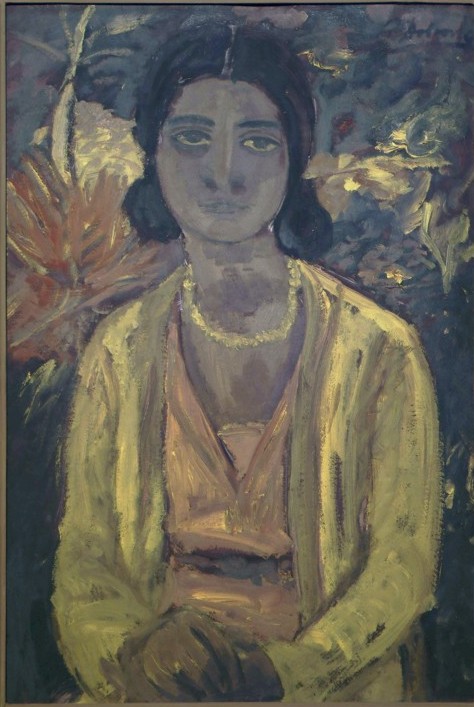
The same painting in several modalities — the visible capture and three different composite captures.
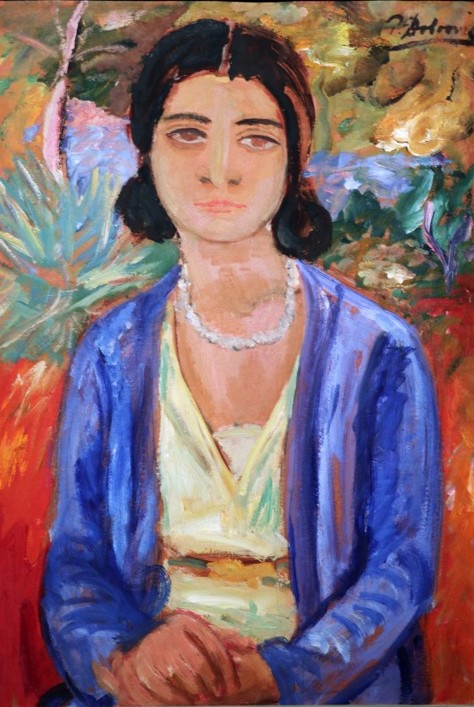
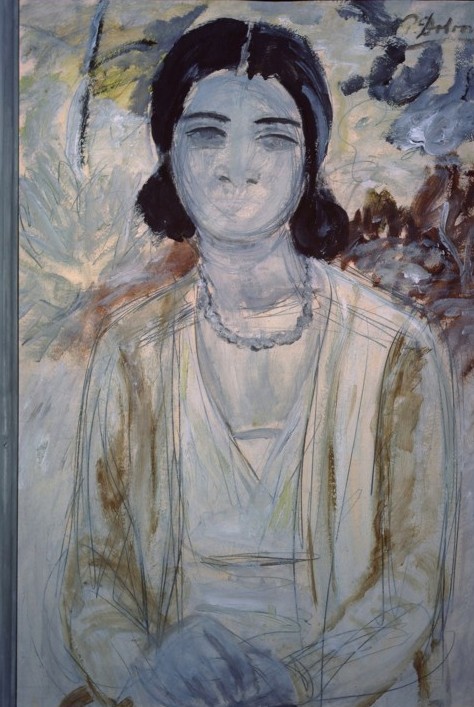
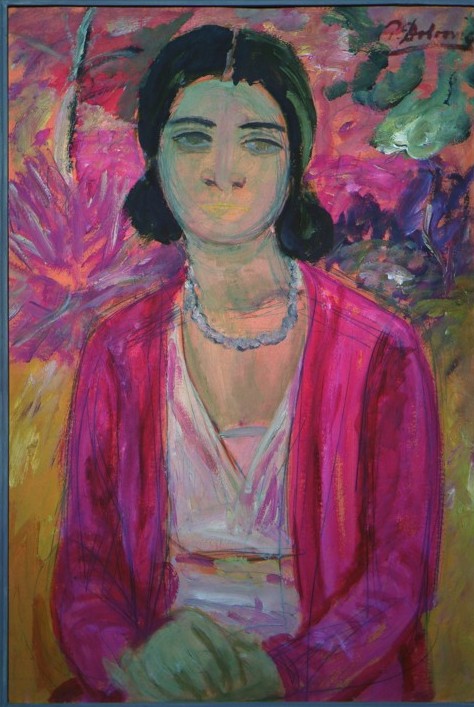
We image the work under controlled lighting across 10 different wavelengths — no contact, no sampling.
All captures are aligned to the pixel and standardised.
Selecting and combining the captures specific to a given work.
Selecting and mapping pigments, isolating underlayers and reconstructing the technique.
The report covers interpretation of the analysis and full high-resolution documentation for various needs.
Who we work with
We work with institutions and individuals dedicated to the preservation, study and valorisation of artworks.
Next step
Send us the basics about the work and tell us what you want to learn. We’ll propose the right scope of imaging and analysis.